Orchestration vs. choreography isn’t just an architectural choice – it’s a decision about how your system thinks.
Orchestration relies on one central controller to coordinate every step of a workflow, providing full visibility and control. Choreography takes an opposite approach. Services communicate through events and act independently instead of sharing a single point of control.
Both patterns solve the problem of how services collaborate, but they do so in fundamentally different ways. Choosing one over another directly impacts how you can scale, debug, and operate your system in production.
In this article, we’ll compare orchestration and choreography and discover the tradeoffs between control and autonomy.
Microservices orchestration vs. choreography explained
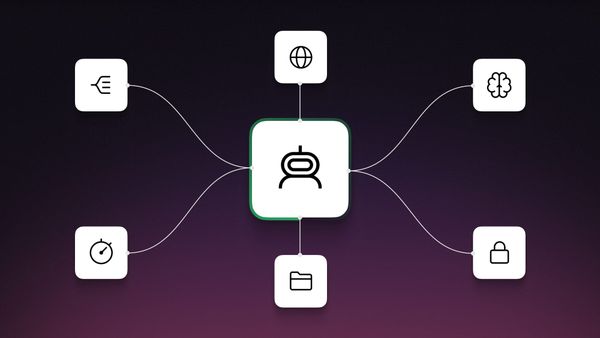
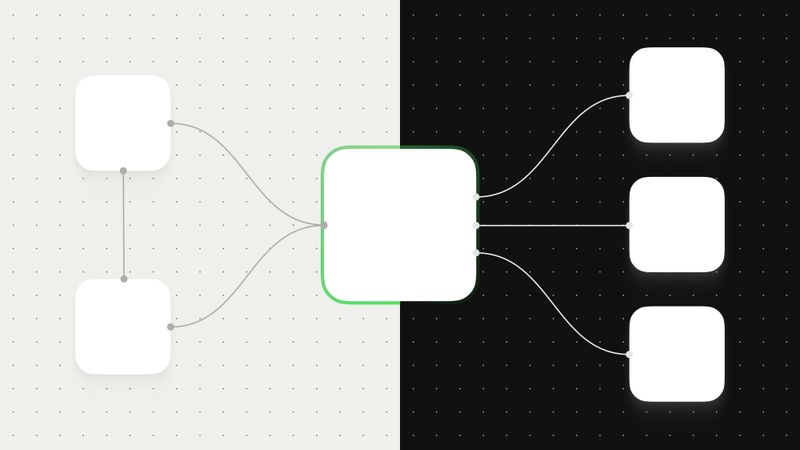
In orchestration, a central controller acts like a conductor. It tells each microservice when to execute its logic and tracks the outcome. This provides a clear and predictable control flow.
In choreography, every service works independently, and there are no centralized controllers. Services remain loosely coupled and interact by sending messages to a broker. Each microservice listens for relevant events and reacts when they occur.
Teams often focus on picking a design pattern, but the real challenge is getting multiple components to work together in one business workflow. Each service must complete its tasks without sacrificing security or control.
The right model depends on whether you need centralized control or distributed autonomy. Choose orchestration works when your priority is end-to-end visibility and strict auditability. It gives you a central map to manage complex business logic and ensure consistent error handling. This can be critical for regulated industries that need compliance visibility or workflows that require strict sequencing.
The tradeoff: orchestration gives you a complete workflow view but creates a central dependency. Choreography eliminates that dependency but makes debugging distributed failures harder.
| Criteria | Orchestration | Choreography |
|---|---|---|
| Coupling | Tighter control with a central coordinator | Looser coupling via event-based triggers |
| Visibility | High visibility into end-to-end state | Low visibility with distributed state |
| Change Velocity | Moderate; may require orchestrator updates | High; services deployed independently |
| Auditability | Simplified with a central audit trail | Complex; requires distributed tracing |
| Error Handling | Explicit and managed by the orchestrator | Implicit and handled by individual services |
| Scalability | Depends on the orchestrator's performance | Naturally high and decentralized |
| Complexity | Simple for workflows, complex for the controller | Easier autonomy, complex interactions |
Orchestration architecture
A central orchestrator acts as the authoritative controller in this model. It assigns tasks by issuing commands and tracking state in real time. Serverless orchestration makes this approach even more accessible. It allows teams to manage complex workflows without worrying about underlying infrastructure or scaling.
Mapping out the business process in one place creates a high level of visibility.
This centralized approach for orchestration in microservices significantly improves auditability and error handling. If a payment fails, the orchestrator knows where the workflow stalled. It can then trigger retries or rollbacks autonomously, which ensures the workflow either completes fully or compensates correctly.
This creates an ideal environment for saga orchestration (a sequence of local transactions) because the controller manages the entire lifecycle of a distributed transaction.
The operational profile of the orchestration includes these main features:
- Explicit workflow: The full sequence of service calls is predefined and visible. This makes troubleshooting much faster because you don’t have to piece together logs from a dozen message brokers.
- Centralized state management: The orchestrator maintains the source of truth. It tracks completed tasks and pending steps.
- Simplified error handling: You can implement complex logic like compensation transactions in one place. The orchestrator can manage a unique idempotency key for each step, ensuring safe automated retries and reduced duplicate side effects across services.
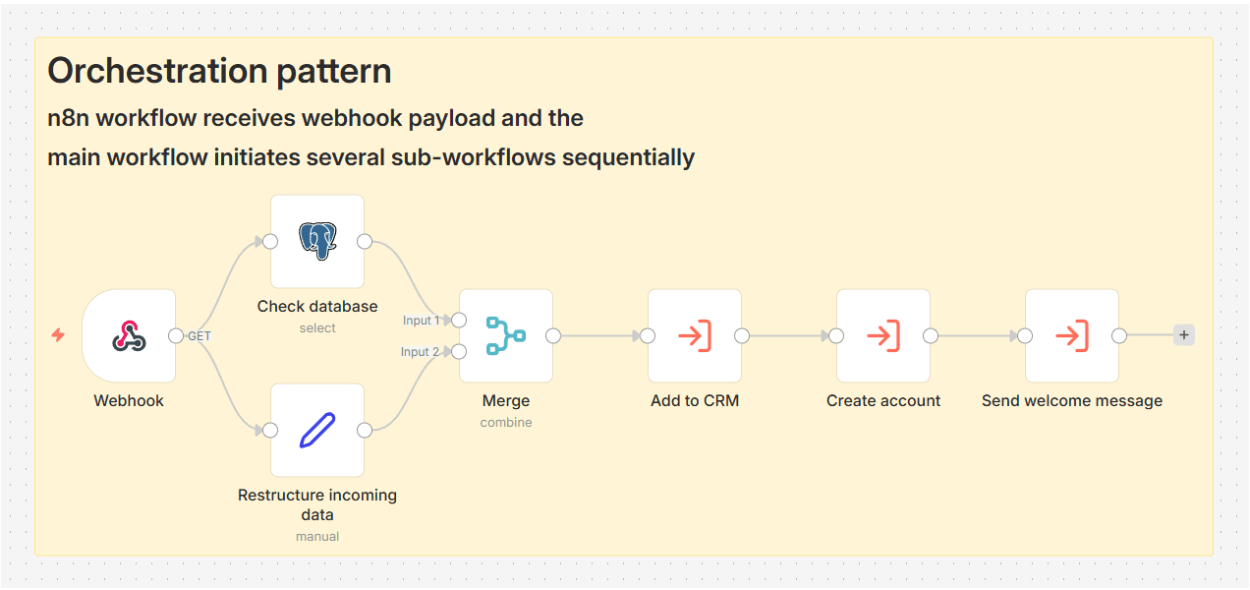
With n8n, the orchestration pattern maps directly to how you build workflows. A parent workflow calls sub-workflows for each domain task - whether that's data validation, account creation, or notifications. Each execution is logged and visible on the canvas, so you can trace exactly where a process succeeded or broke down. If a step fails, you catch it in one place and run compensation logic or retries without hunting through separate systems.
Choreography architecture
The choreography pattern distributes the business process logic across the system. When one microservice completes a task, it publishes an event to a message broker like SNS, SQS, or RabbitMQ. Other services simply listen for that event and react accordingly. This leads to shared ownership, so no single component has a bird’s-eye view of the end-to-end sequence.
The source of truth for your business logic emerges from the collective interaction of individual services. While this creates a highly adaptable system, it also means sacrificing visibility for flexibility. Because there is no explicit map of the workflow, understanding the current state of a specific order requires you to trace events across multiple systems.
The operational profile of choreography includes these key characteristics:
- High service autonomy: Each microservice operates autonomously. Teams can implement and manage new services or updates without reconfiguring a central controller.
- Event-driven resilience: Services interact via an asynchronous message broker. If a shipping service goes down, the message broker holds the event until the service comes back online. This prevents a total system breakdown caused by a single point of failure.
- Decentralized scalability: Removing the centralized controller helps you avoid common bottleneck problems. This makes the choreography pattern naturally scalable and well-suited for real-time data processing where synchronous request-response patterns would create latency.
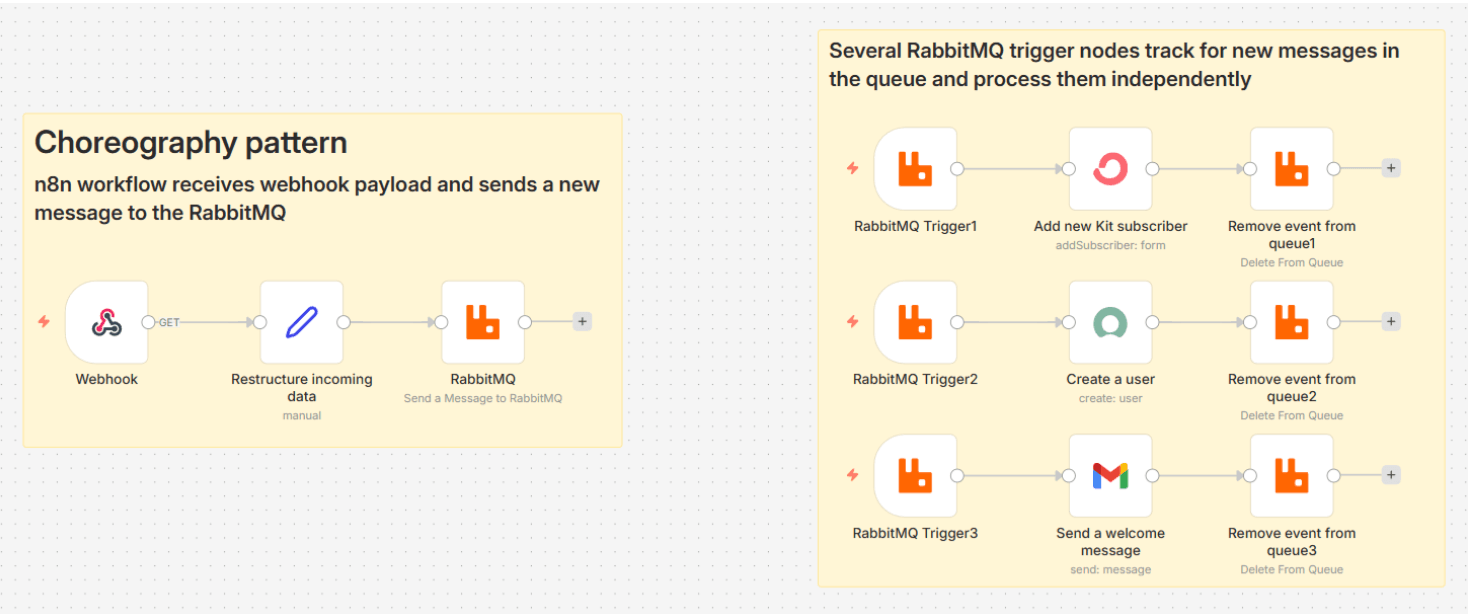
You can implement a choreography pattern in n8n: you would split the process into separate workflows connected by a message broker. One workflow receives the incoming event and publishes it to RabbitMQ. Other workflows have their own RabbitMQ trigger, listening for messages and handling a single task: subscriber signup, user creation, or welcome email. The workflows don't see each other and just react to the events in the queue.
Using a hybrid approach
The good news is you don’t have to choose only one. In practice, orchestration and choreography do not mutually exclude each other. Many mature systems use a hybrid approach that combines orchestration and choreography.
Orchestration manages the complex internal logic of a specific domain, such as a checkout or billing process. For example, a payment domain orchestrates fraud checks, authorization, and settlement — ensuring each step completes or compensates correctly.
Choreography handles communication between broader business domains. This enables high service autonomy at the macro level while maintaining strict control and visibility at the micro level.
n8n supports both patterns natively.
Orchestration is the default approach — you build a main workflow that calls sub-workflows and controls the sequence. For choreography, add message broker nodes like RabbitMQ or Kafka to decouple workflows. Each workflow reacts to events independently, with no central controller directing traffic.
You can treat sub-workflows as stand-ins for microservices at the business logic level. This gives you the benefits of separation and modularity without deploying separate infrastructure. Just keep in mind that this is an abstraction and not a true microservice architecture.
Future-proof your distributed architecture
Deciding between orchestration and choreography means considering trade-offs between control and flexibility. Orchestration best supports operational visibility and provides a clear map for mission-critical workflows. Choreography prioritizes independent deployment and scaling without bottlenecks which is valuable for loosely coupled, high-throughput systems.
Instead of committing to a single approach, teams can preserve flexibility and agility by choosing a hybrid model. Set clear decision rules early and put basic governance and observability frameworks in place. As your platform matures, reevaluate those criteria and architectural boundaries to adjust your plan.